

RUNNING
5 Sealskinz Runners on What They Wish They'd Known Before Their First Marathon
BY ISABELLA WHARTON
APRIL 2026
Featured in this article


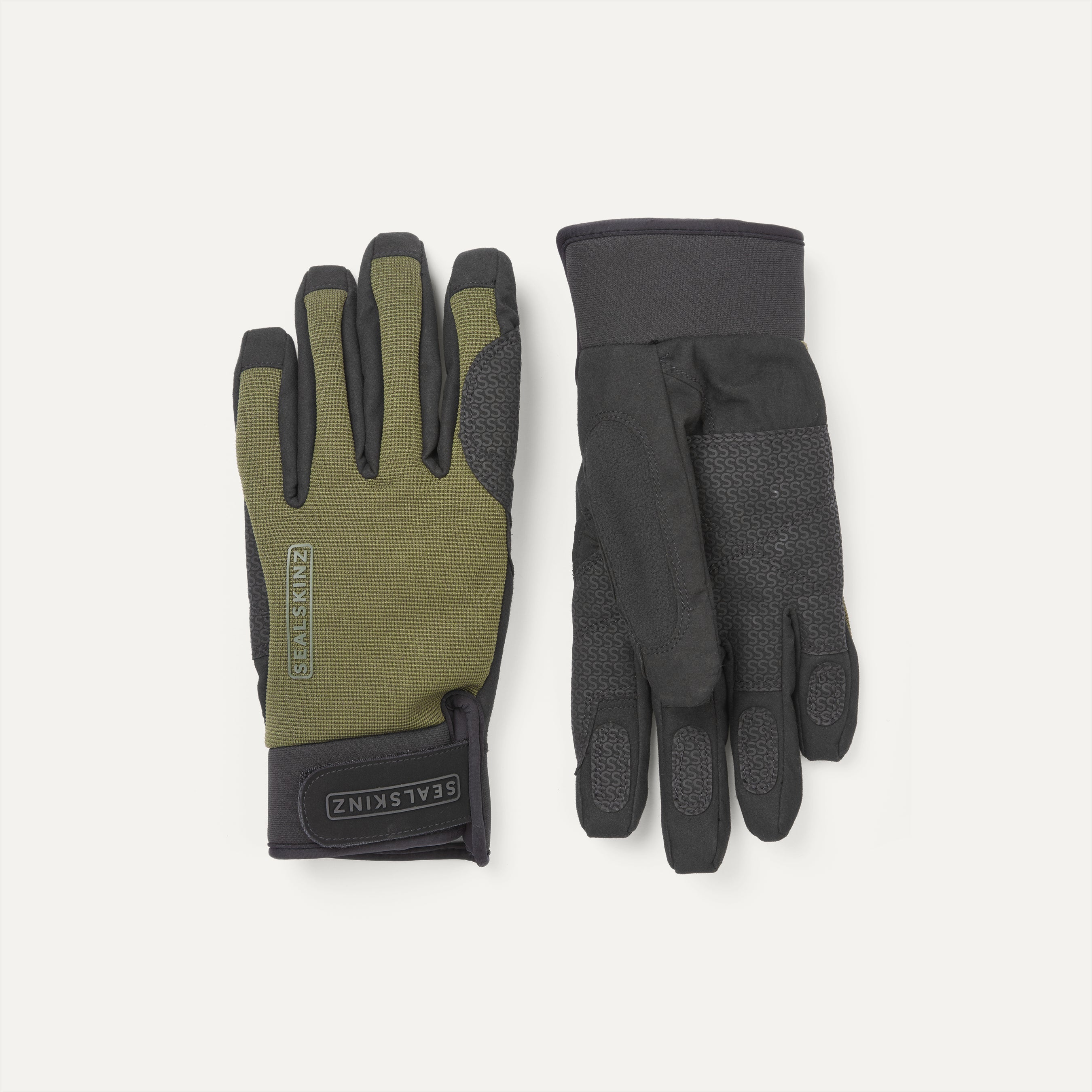


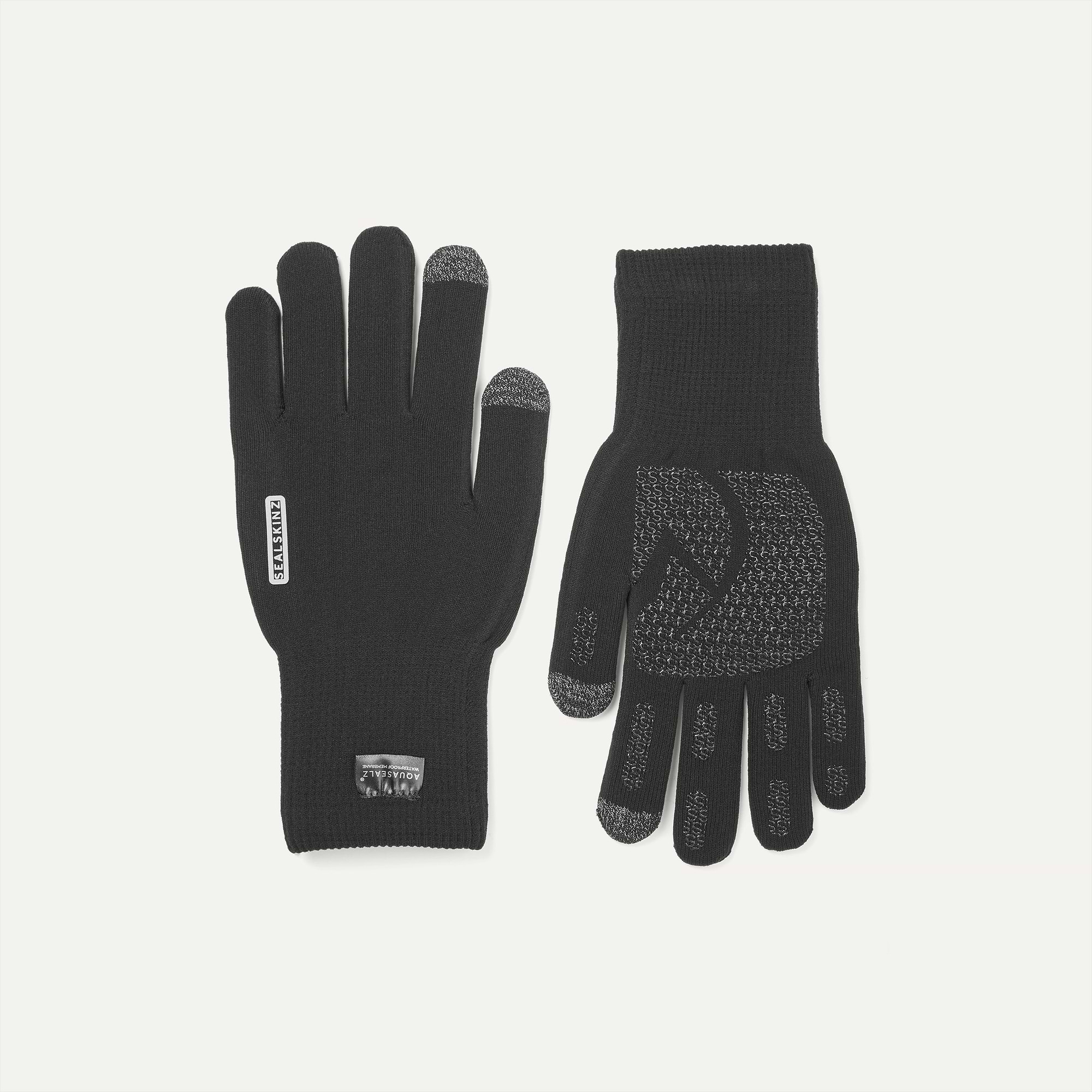

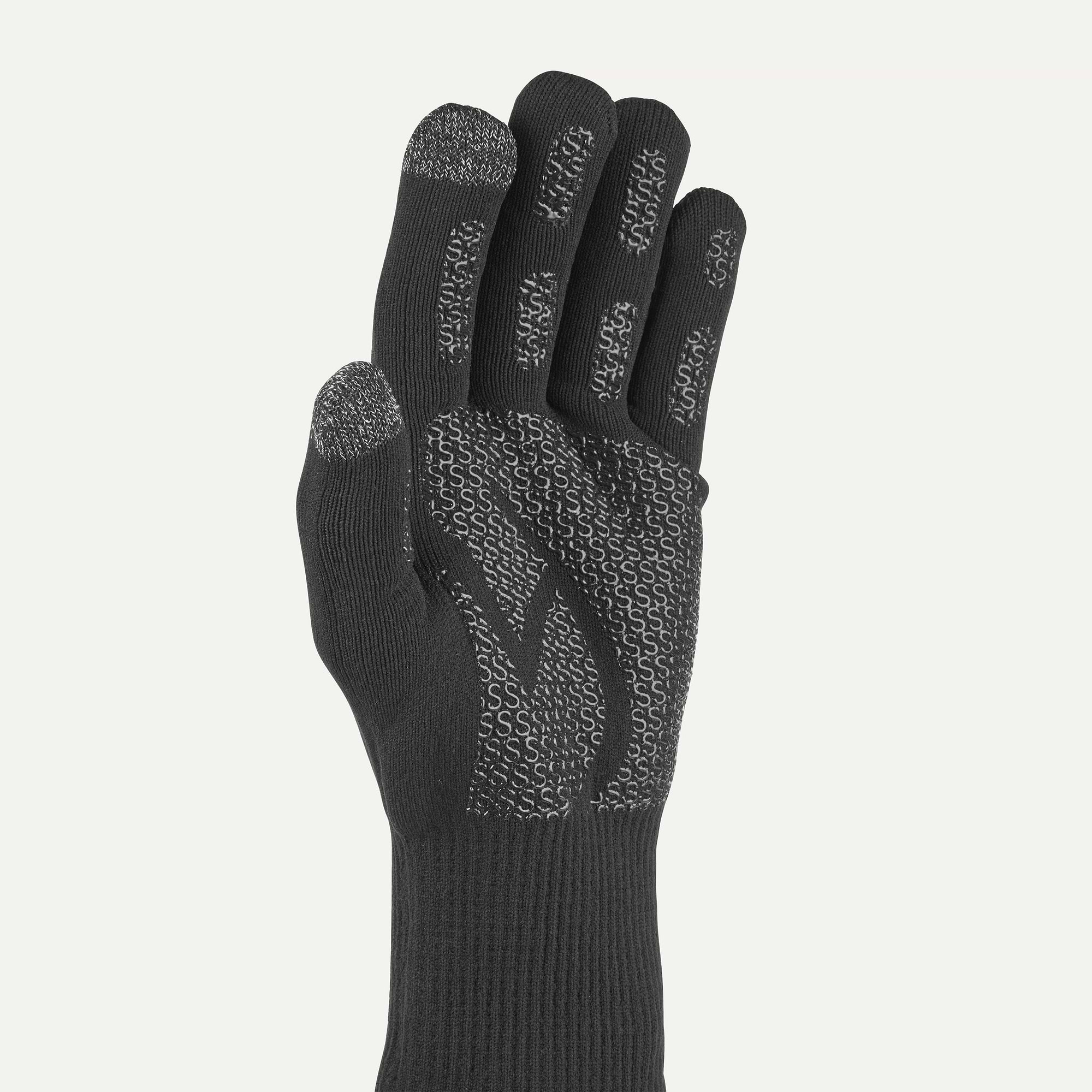


Anmer
Anmer
Waterproof All Weather Ultra Grip Glove
3 colors available


Langham
Langham
Waterproof All Weather Cap
4 colors available


SKYE BAXENDALE, CRM AND COMMUNITY MANAGER
PRE-RUN PREP
Getting your pre-run routine right is key to a successful marathon. Aim to eat 2–3 hours before the start. Rice Krispies are 85% carbs and easy on the stomach. It is equally important to stay calm; avoid rushing to the start line, this can spike your heart rate. Arrive early, stay off your feet where possible, and I'd recommend doing mobility exercises to stay loose.
WHAT TO BRING
Be prepared for changeable conditions, especially in the UK. If it’s going to be chilly waiting at the start line, bring an old long-sleeve shirt or jumper you can leave at the start line. Many races have a donation policy for these old items. If you’re targeting a PB, a pace wristband can also help you stay on track without constantly checking your watch.
YOUR PLAYLIST
A well-planned playlist can boost performance. Start with slower tracks, then build intensity as the race goes on. Save your favourite bops for the final miles, and add a few extras at the end in case you need an extra push.
RICH EDMONDS, CHIEF OPERATIONS OFFICER
PRACTISE YOUR NUTRITION STRATEGY
One of the most overlooked marathon tips is practising your nutrition plan well before race day. Your long training runs are the perfect opportunity to test what works for you, from energy gels and drinks to timing and portion sizes. Everyone’s stomach responds differently under pressure, and the last thing you want is to discover mid-race that something doesn’t agree with you. By refining your fuelling strategy in training, you’ll go into race day confident, knowing exactly how to keep your energy levels steady from start to finish.
PACE YOURSELF FOR A STRONG SECOND HALF
When it comes to marathon pacing, restraint is everything. It’s incredibly easy to get carried away in the early miles when you’re feeling fresh, but going out too fast can cost you later on. In reality, you’re far better off holding back more than you think in the first half, giving yourself the best chance of running a stronger, faster second half. This approach not only improves performance but also makes the overall experience far more controlled and enjoyable.
RESPECT THE FINAL MILES
There’s a reason runners say the marathon really begins at mile 20. The first part of the race can feel manageable, but the final six miles are where fatigue truly sets in, and your preparation is tested. In my opinion, a marathon is just a 20-mile warm-up followed by a 6-mile race, and that’s where smart pacing and discipline pay off. Don't get overconfident; ensure you have the energy, both physically and mentally, to push through those final miles without hitting the wall or becoming overconfident too soon.
RICKY GREEN, RETAIL DIRECTOR
PACE IT
One of the most important marathon tips is to start slower than you think and pace yourself patiently from the very beginning. Sticking to your training plan and fuelling regularly throughout the race will help you maintain consistent energy levels and avoid hitting the wall later on. While it’s tempting to go out fast, a controlled start gives you the best chance of finishing strong rather than fading in the final miles.
SMILE!
Most importantly, remember to enjoy the experience; the energy from the crowds will carry you through the early stages, and a strong, positive mindset will see you through to the finish line.
ZOE NORMAN, MERCHANDISER
TRAINING
Having a realistic training plan is essential when preparing for a marathon. It’s important to listen to your body along the way, rather than trying to do too much too soon. Pushing through pain or overloading your schedule can lead to injury, so consistency will always deliver better results than overtraining.
FUEL
Fuelling your body properly is just as important as the miles you run. Supporting your training with nutritious food helps maintain energy levels, aids recovery and keeps you performing at your best. Taking the time to nourish your body throughout your training will pay off when it matters most.
SMILE
On race day, don’t forget to enjoy the experience. It’s easy to get caught up in times and targets, but remembering the hard work you’ve already put in can help you stay positive and relaxed. Smiling, taking in the atmosphere and embracing the moment can make all the difference, especially when the race starts to get tough.
STEVE LEMMON, HEAD OF DESIGN
IMPORTANCE OF ANTI-BLISTER SOCKS
Wearing anti-blister socks can make a huge difference, helping reduce friction and keep your feet comfortable. I relied on my trusty Sealskinz anti-blister running socks to sort me out across the 26.2 miles.
SUN PROTECTION
Sun protection is vital, even in the UK, where conditions can change quickly. Both my wife and I made sure to protect our heads with UV-protected, breathable caps.


